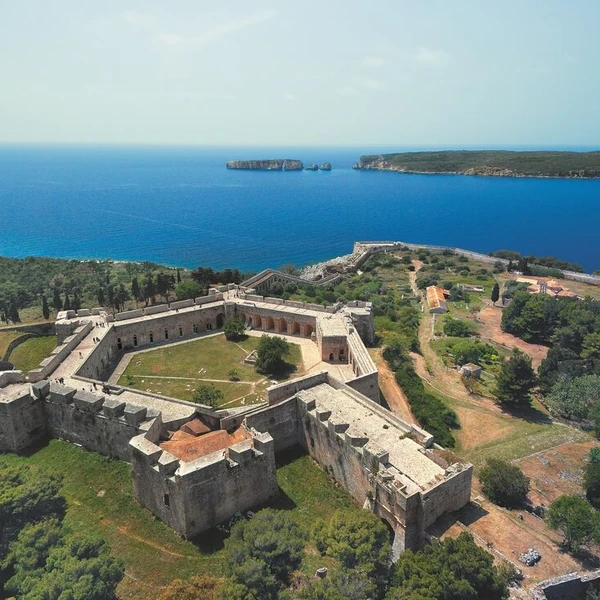
New Navarino Castle
The New Navarino Fortress is an Ottoman-era fortification situated in Pylos. Positioned at the southern entrance of the strategic Bay of Navarino, it complements the 13th-century Old Navarino Castle, which stands at the northern entrance. The Old Navarino Castle was constructed by the Crusaders of the Principality of Achaea. To differentiate from the older fortification, New Navarino is called Neokastro or Niokastro meaning "New Castle".
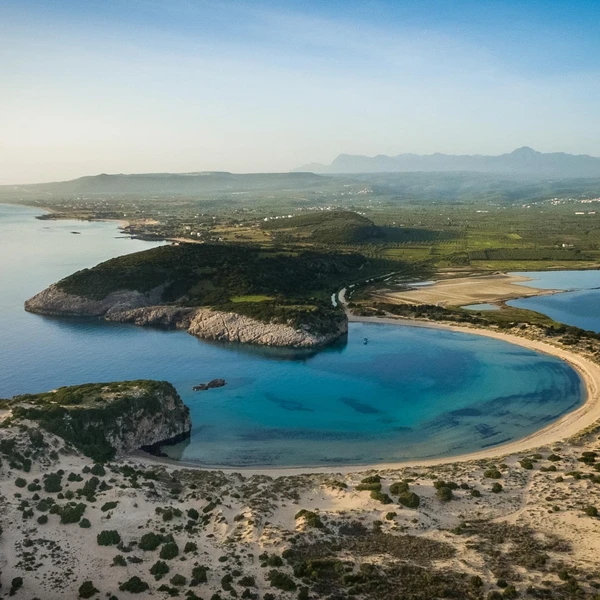
Voidokilia Beach
Voidokilia Beach, located in Messinia, Peloponnese, is a renowned destination with its distinctive omega-shaped sand dunes forming a semi-circular bay. Recognized as a "Place of Particular Natural Beauty," the beach is also part of a Natura 2000 protected area.
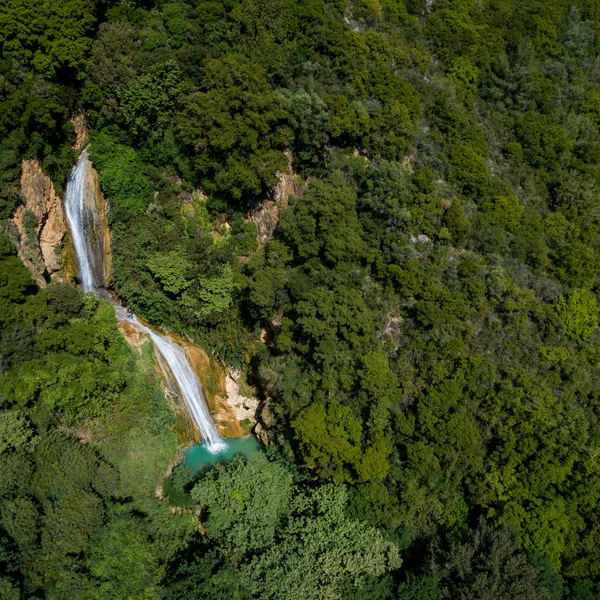
Polylimnio Waterfalls
The Polylimnio Waterfalls, nestled in Messinia, Peloponnese, are accessible via a scenic 3km out-and-back trail leading to the main waterfall. The path is surrounded by lush vegetation, including olive trees, pine forests, and wildflowers, offering a vibrant natural experience.
Old Navarino Castle
The Old Navarino Castle is a 13th-century Frankish fortress located near Pylos. Positioned on a 200-meter rock formation overlooking the northern edge of the bay, it stands alongside the Ottoman-built New Navarino Castle. Often referred to as Palaiokastro , meaning "Old Castle". The castle's strategic location and natural defenses suggest it has been occupied since classical times.
Proti Island
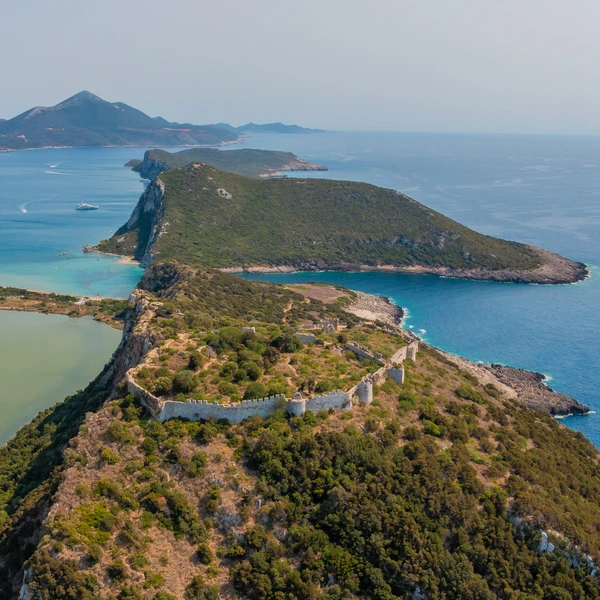
Proti Island, located in the Ionian Sea off the west coast of the Peloponnese. With a population of just four inhabitants as of the 2001 census, the island is named after the ancient sea god Proteus. Mentioned by ancient writers, including Thucydides who noted the Athenian fleet sailing around it in 426 B.C. Proti is of archaeological interest due to its Mycenaean acropolis.
Gialova Lagoon
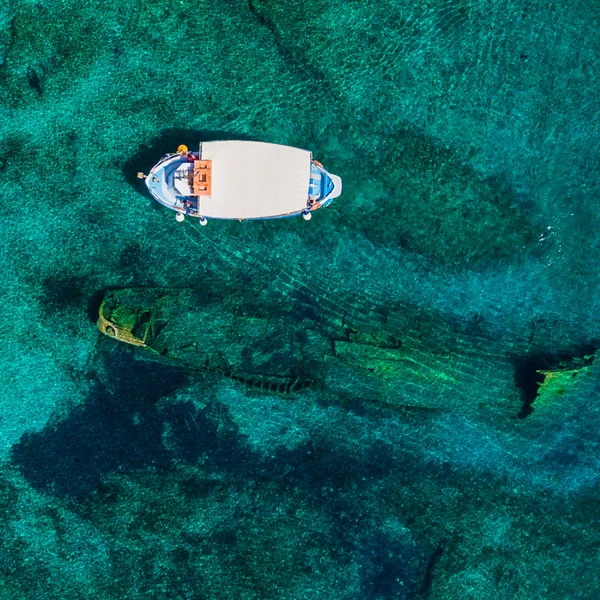
Gialova Lagoon, situated in Messinia, Peloponnese, forms part of a distinctive ecosystem alongside Voidokilia Bay, designated as a protected area for both natural and cultural heritage. This vital wildlife habitat is a key stopover for migratory birds traveling from Africa to Northern Europe. The lagoon supports a diverse range of species, including mammals, reptiles, amphibians, and fish. Notably, it is home to the critically endangered African Chameleon.
Ancient Olympia
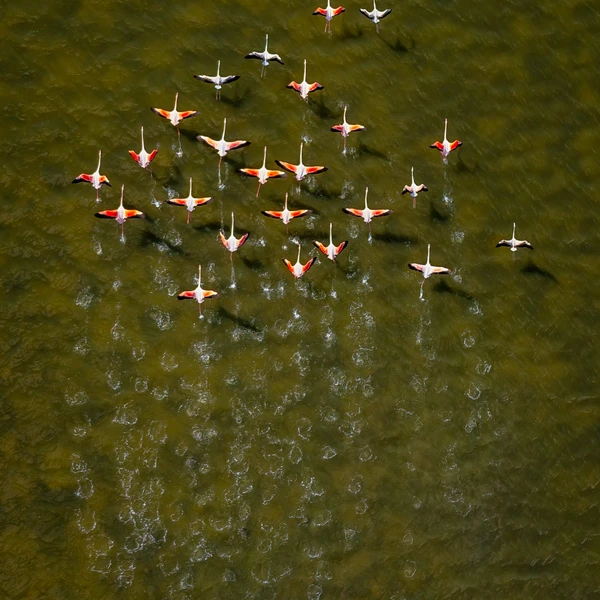
Olympia was the origin of the most renowned sporting event of the ancient world, the Olympic Games, which were held every four years from 776 BC to 393 AD. Additionally, it was a major center for the worship of Zeus, beginning around the 10th century BC. The site features remarkable sculptures, including decorations of the Temple of Zeus, the Hermes by Praxiteles, and the statue of Nike by Paionios.
Sapienza Island
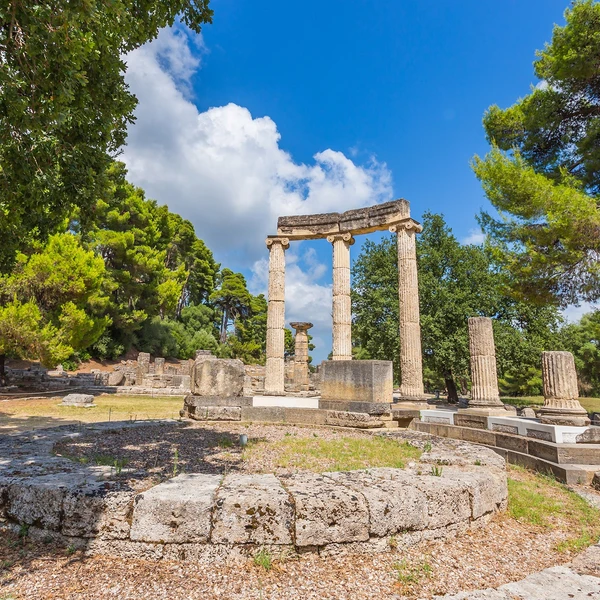
Sapienza is a scenic Greek island near Methoni on the southern Peloponnese coast. It had only two residents as of the 2011 census. As the second largest of the Messenian Oinousses, a small group of three islands, its name means "wisdom" in Italian. The island is notable for the nearby Calypso Deep, the Mediterranean's deepest point, and its history of shipwrecks along a major maritime route, including one with granite columns from Herod's temple.
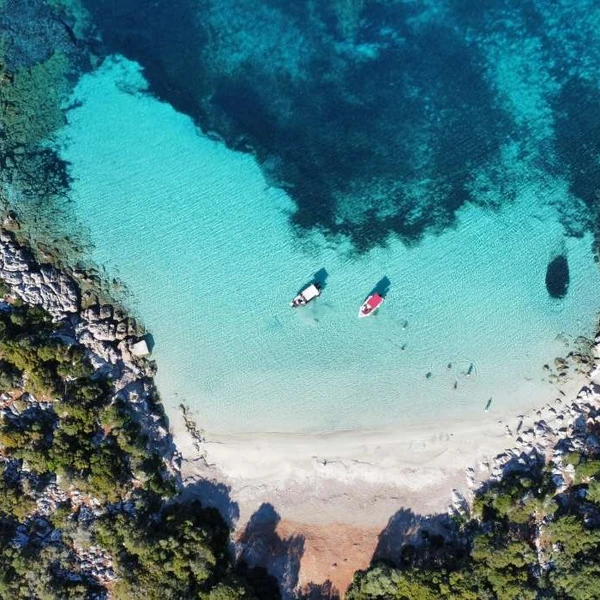
Neda Waterfalls
The Neda River, a hidden gem in western Greece, forms the border between Ilia and Messinia in the Peloponnese. Originating from Mount Lykaion, it flows through a 32-kilometer gorge with forests, narrow passages, and waterfalls, creating crystal-clear natural lakes. The Neda River is one of the two rivers in Greece named after a female.
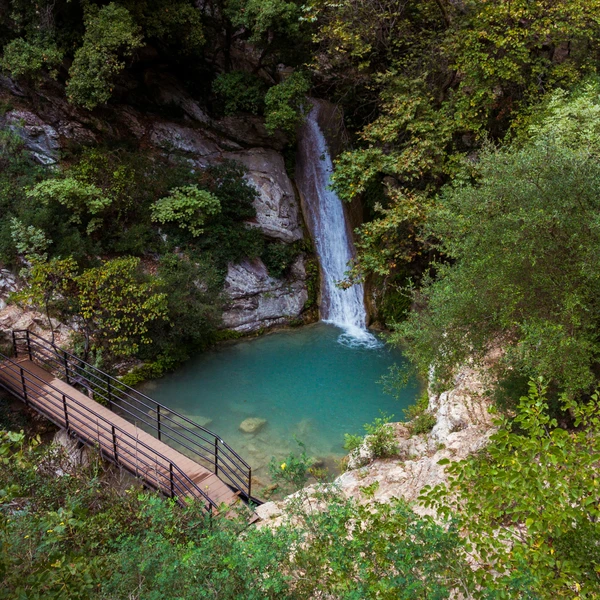
Methoni Castle
The Castle of Methoni, situated in southwestern Peloponnese, is a medieval fortress extending to a fortified islet with an octagonal tower. Surrounded by the sea on three sides and protected by a fortified acropolis on the landward side, the castle is separated from the mainland by a deep moat and connected by a wooden bridge. The Venetians improved and repaired the castle during their rule, building on the original fortifications.
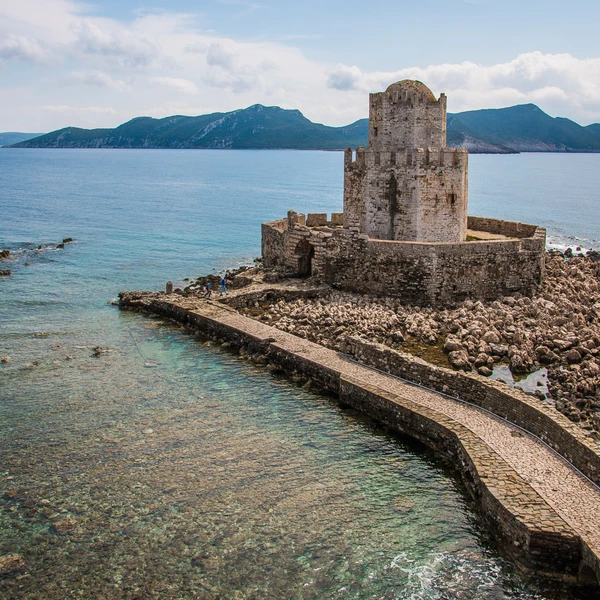
Sfaktiria Island
Sfaktiria, with its rugged terrain, has been a strategically important location since ancient times. The island features historical monuments honor Paul Bonaparte, the nephew of Napoleon while the island also hosts two notable churches: the declining chapel of Panaghoula and the wooden church of Aghios Nikolaos.
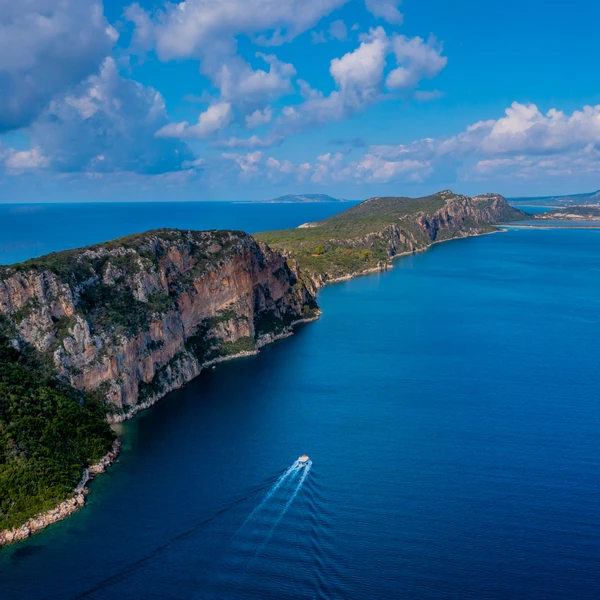
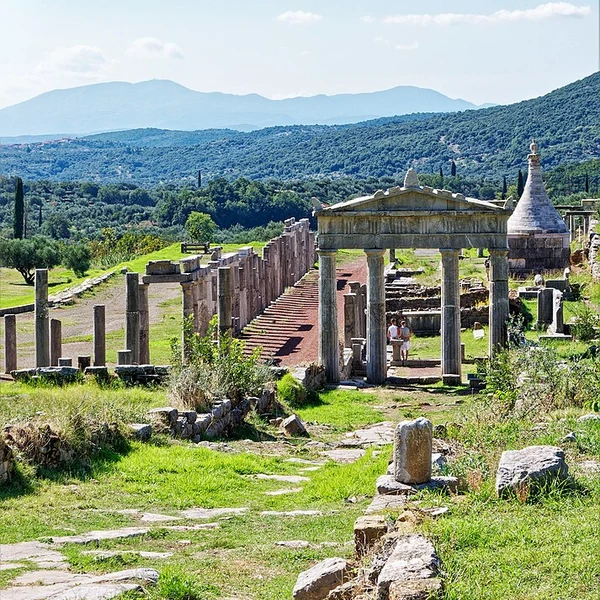
Ancient Messene
The site is famous for the ruins of Ancient Messene, a significant classical city-state. Founded in the Bronze Age as Ithome by Achaean Greeks, it later came under Spartan control and endured lengthy conflicts with Sparta. The city was eventually destroyed by the Spartans and remained abandoned for a long time.
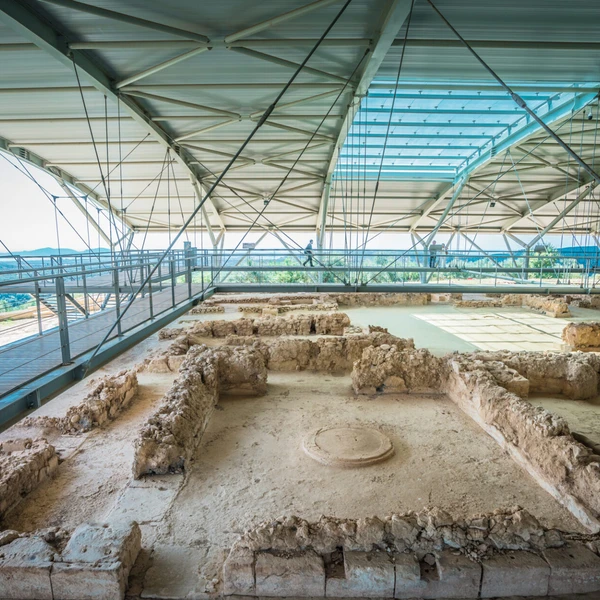
Palace of Nestor
The Palace of Nestor was a significant Mycenaean center, famously described in Homer's Odyssey and Iliad as Nestor's kingdom of "sandy Pylos." It is the most well-preserved Mycenaean palace ever found, situated within a larger Late Helladic settlement that was likely fortified. The site, with artifacts predominantly from around 1300 BC, reveals extensive occupation throughout Myceneaen times.